
We assume we can have children, but a growing body of scientific evidence suggests a different future. Infertile exposes the silent chemical crisis threatening our ability to conceive naturally.

The problem
In the 1950s, the world experienced an explosion of chemical innovation promised to be for the "betterment of society." But while these advancements brought convenience, they also introduced a silent threat that scientists are only now fully understanding.
Today, Endocrine Disrupting Chemicals (EDCs) are no longer just in labs—they are in our homes. From the plastics that cover our food to the cosmetics we wear, to the furniture we sit on and the toys our children play with, we are constantly exposed to a chemical cocktail in our daily lives.



The consequences of this exposure are existential. It is not just wildlife suffering from profound biological changes; human fertility is plummeting at an alarming rate.
We grow up with the expectation that we can have children, yet scientific data points toward a terrifying scenario: there is a real chance, if our exposure to EDCs continues unabated, we and many other species will struggle to conceive naturally by the end of the 21st century.
WHAT EXPERT’S ARE SAYING

The public confidence in chemicals is too high. They don't realise how little we know about the safety and how difficult it is to control them.
Michael Warhurst
Executive Director, CHEM Trust

It's completely terrifying. And everybody's running around performing to the gallery of a failing system.
Terrence Collins
Teresa Heinz Professor of Chemistry, Carnegie Mellon University
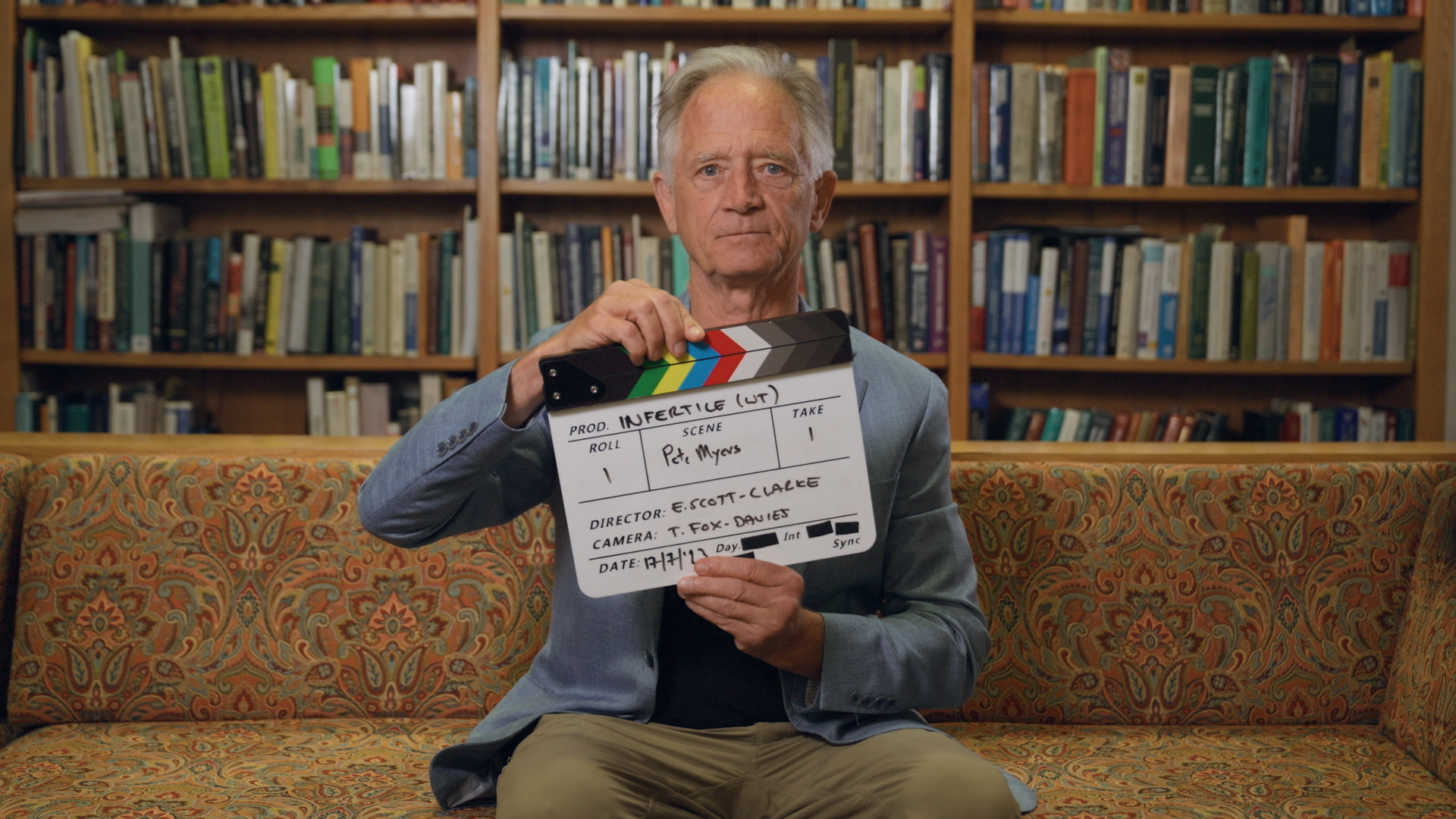
It's worse than we thought. And if we don't get ahead of it, we have a chance of causing the elimination of the human race.
Pete Myers
Co-Author, Our Stolen Future

I'm extremely worried. I think we should be extremely worried … our children and our grandchildren depend on it. Our planet depends on it.
Shanna Swan
Author, Count Down